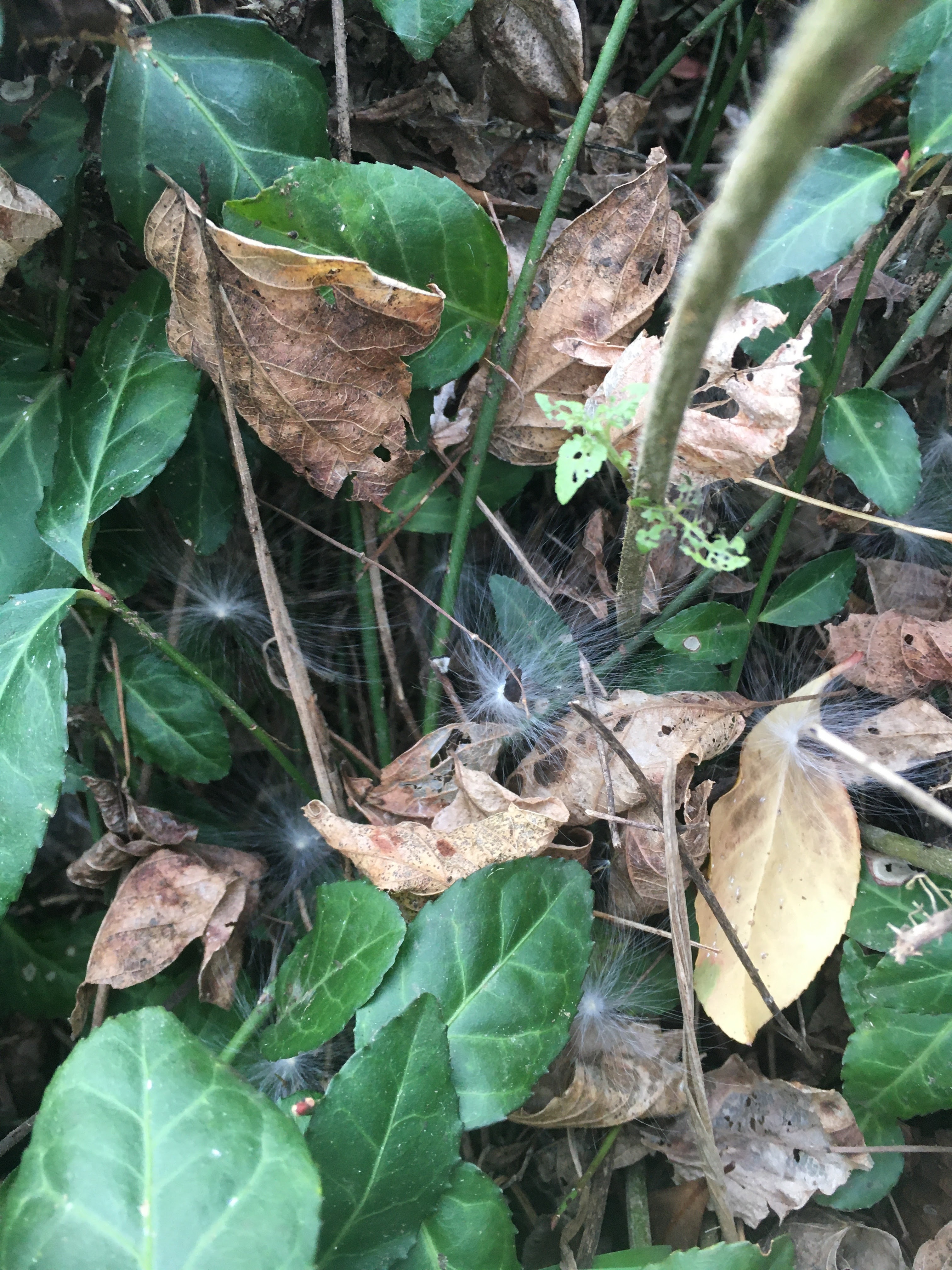
Originating in China and eastern Asia is the invasive plant wintercreeper. Wintercreeper is one of the most invasive species on the planet and it was brought to the United States in the early 1900s. People first brought it to the United States because it is very beautiful but they didn’t know that it would spread and kill hundreds of plants in the process.
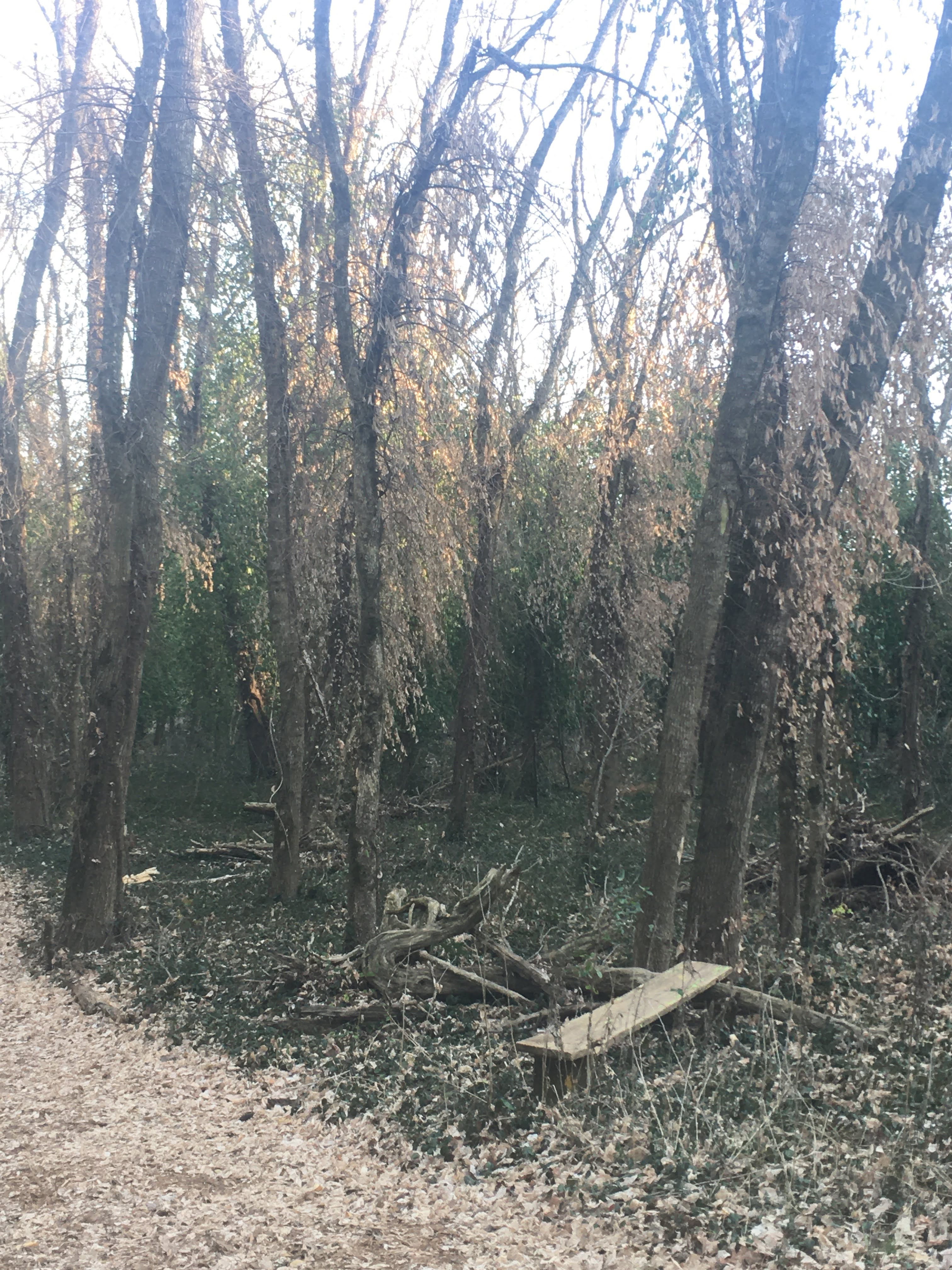
Wintercreeper spreads by people planting it, or birds eating the seed and spreading it by dropping through their feces. It chokes the plants on the surface and crawls up trees blocking sunlight from the tree. It produces red berries in the fall. Wintercreeper grow all year even in the winter. Nothing naturally eats wintercreeper, it creates low biodiversity and affects all life in that area, like birds, insects, reptiles, and in some cases, even humans.
There are a few ways that you can slow the spread down, or even kill it off for good. Most people don’t realize how bad it is but the ones who do know try their best to kill it off. A few things you could do to slow it down is cut down the vines when you see them, or you could spray certain chemicals on it. Some of the more expensive ways are also very time consuming but they are also more effective.
This month’s blog post was written by Alex and Brady Bogart.


 McDonald County SOPE